Dance Performance

Rubric and Student Self-Assessment

for Grades 3–8

Assessing dance in the classroom can be challenging—how do you evaluate creativity, movement, and expression in a fair and meaningful way? Whether you’re a seasoned dance educator or a classroom teacher incorporating movement into your arts program, having a clear and student-friendly assessment tool is essential.

That’s why the Dance Performance Rubric and Student Self-Assessment is one of my favorite tools to use in Grades 3–8. It’s simple to implement, adaptable for multiple grades, and designed to promote both reflection and accountability in your dance lessons.

🛒 Grab the rubric and self-evaluation here → Dance Performance Rubric & Student Self-Assessment

💃 What’s Included in the Dance Performance Rubric

This resource includes everything you need to assess both the process and the final performance:

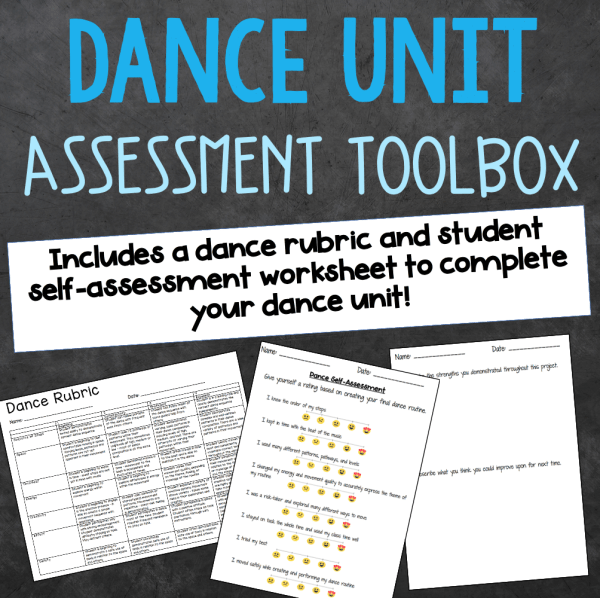
  • ✔️ Global Dance Performance Rubric: Covers the key elements of movement, creativity, and collaboration—aligned with curriculum expectations.
  • ✔️ Student Self-Assessment Sheet: A kid-friendly page where students evaluate their own effort and performance using emojis and short written reflections.
  • ✔️ Adaptable Format: Works for a variety of dance units, styles, and grade levels—from creative movement to choreographed performances.

Perfect for Grades 3–8, this rubric provides the flexibility you need whether your students are performing solo, in pairs, or in groups.

🎶 Why You’ll Love Using a Dance Rubric in Your Classroom

Having a dance-specific rubric takes the guesswork out of assessment and helps students understand what’s expected of them. Here’s why this tool is a must-have:

  • Encourages Self-Reflection: Students take ownership of their learning by evaluating their performance.
  • Saves You Time: No need to create rubrics from scratch for every project or grade.
  • Supports Consistency: Aligns assessment across multiple classes or teachers.
  • Promotes Growth: Helps students identify areas of strength and set goals for improvement.

💡 How to Use This Rubric and Self-Evaluation in Your Dance Lessons

Here are several practical ways to incorporate this tool throughout your dance unit:

1️⃣ Before the Performance – Introduce the Criteria

Walk through the rubric with your students before they begin choreographing or practicing. This helps them understand the expectations and connect each category to what they’re learning.

2️⃣ During the Performance – Use for Observation

Use the rubric to take anecdotal notes while students perform. Because it’s designed with clarity in mind, it’s easy to use in real time—even if you’re assessing multiple groups.

3️⃣ After the Performance – Student Reflection

Have students complete the emoji-based self-assessment right after their performance. This encourages honest reflection while the experience is fresh. Students can then write a short reflection on what went well and what they’d like to improve next time.

4️⃣ End-of-Unit Discussion

Combine teacher and student feedback to guide a class discussion on creativity, teamwork, and effort. This helps reinforce that dance is about process, expression, and growth—not just performance perfection.

📚 Integrating Dance Assessment with Other Arts

The Dance Performance Rubric can easily be integrated into other areas of the arts. Pair it with:

You can find all of these related resources and more in the Teach From The Stage Shop.

✨ Why Teachers Love This Resource

Teachers using the Dance Performance Rubric say it helps them feel more confident assessing dance—even if dance isn’t their main area of expertise. Students love the emoji-based reflection because it makes self-assessment quick, accessible, and engaging.

And with its clear structure and consistent expectations, it’s a resource you’ll find yourself using year after year.

🛒 Download your copy today → Dance Performance Rubric & Student Self-Assessment

Picture of Alessandra

Alessandra

My name is Alessandra and I am a Kindergarten-Grade 8 Teacher of the Arts, specializing in music and dance education. Based in Toronto, Canada, I teach 800+ students a week and am a huge advocate for the arts. I graduated with a Bachelors of Music Therapy & Masters of Education, and I am passionate about fostering a quality music education program for every learner.