3 Creative Ways

to Use

Movement Cards

in the Music Classroom

If you teach dance or movement in your music classroom, you already know how powerful it can be. Movement engages students physically, creatively, and musically—it’s one of the best ways to connect rhythm, coordination, and expression.

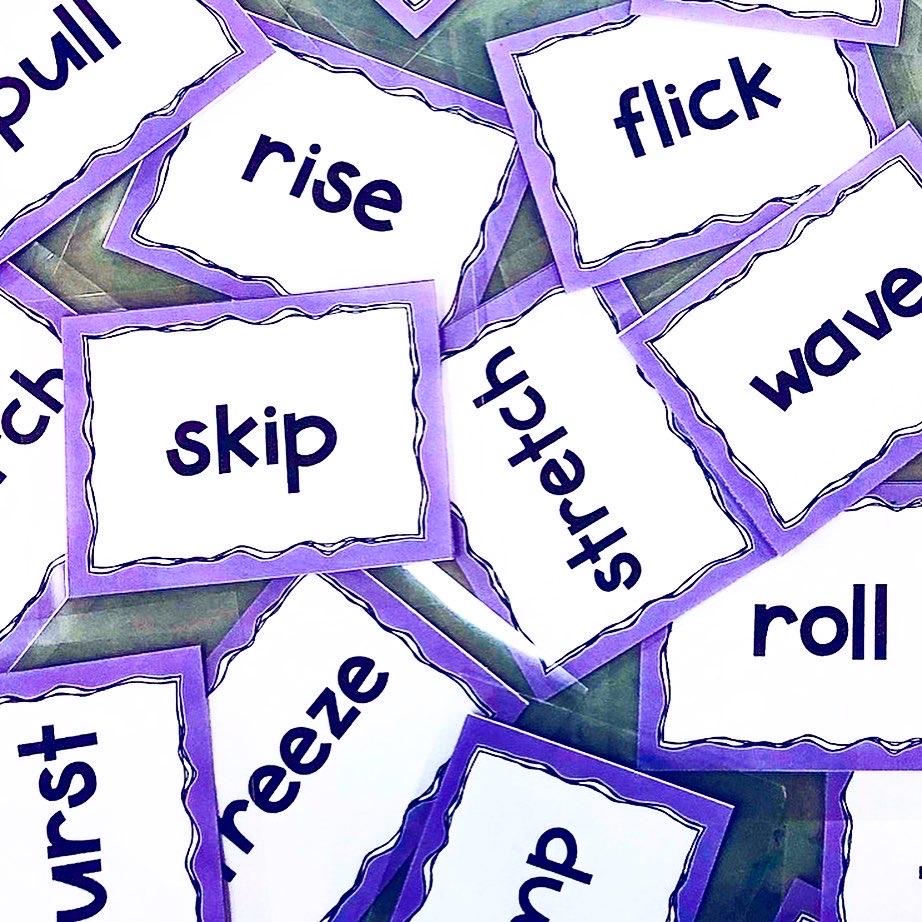
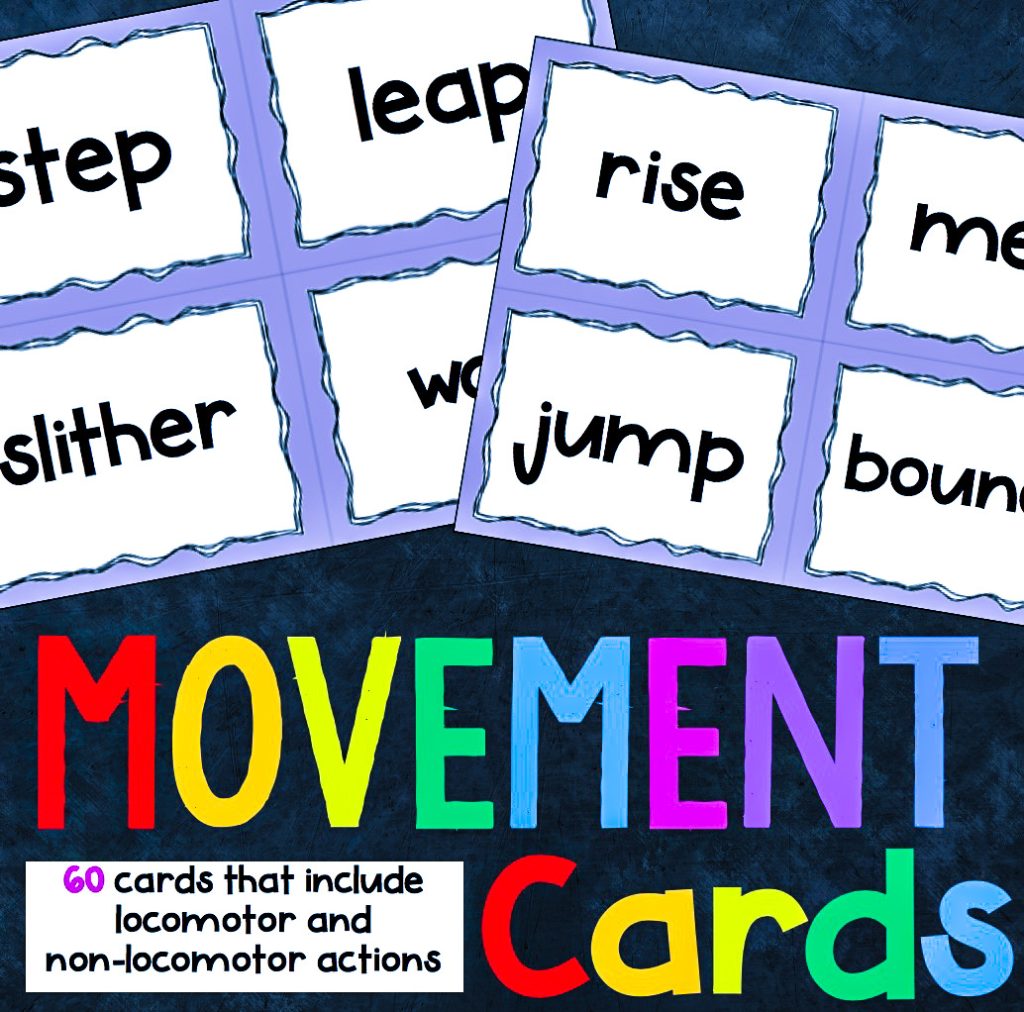
But sometimes, keeping your movement activities fresh and purposeful can be a challenge. That’s where Movement Cards come in! These easy-to-use, no-prep cards give you dozens of quick, adaptable activities that get your students moving while reinforcing musical concepts like beat, tempo, and form.

💃 Why Use Movement Cards?

Movement is one of the most effective ways to help students internalize rhythm and develop musical awareness. The Movement Cards make this process structured, engaging, and flexible for different grades and classroom settings.

Teachers love them because they are:

  • No-prep: Just print and go!
  • Versatile: Use them for warm-ups, full lessons, or stations.
  • Multi-grade friendly: Perfect for both elementary and middle school students.
  • Cross-curricular: Great for connecting music, dance, and physical education outcomes.

✨ 3 Ways to Use Movement Cards in Your Classroom

1️⃣ As a Warm-Up or Brain Break

Start class with a burst of energy! Choose a few movement cards and have students perform the actions to a steady beat or a favorite classroom playlist.

You can use the cards to:

  • Wake up a sleepy morning class
  • Refocus after transitions
  • Reinforce tempo, beat, and rhythm through motion

💡 Pro Tip: Play music with contrasting tempos to help students adjust their movements to match the beat.

2️⃣ In Centers or Stations

Set up a movement station as part of your rotation activities. Students can draw a card, perform the movement, and then combine it with rhythmic or melodic elements.

Example ideas:

  • Clap or play a rhythm on instruments while performing the movement.
  • Combine movement with solfege singing or percussion patterns.
  • Have students work in pairs to create short dance phrases using two or three cards in sequence.

This is a great way to encourage creativity and collaboration while keeping students actively engaged.

3️⃣ As a Composition or Choreography Tool

Older students especially love turning movement into choreography projects. Have them:

  • Draw 3–5 cards and create a short dance using the movements in order.
  • Work in small groups to compose a movement sequence to a chosen piece of music.
  • Reflect on how movement changes when tempo, dynamics, or articulation change.

🎶 Bonus idea: Record the performances and discuss how each group interpreted the musical elements differently.

🩰 Tips for Classroom Management During Movement

  • Set boundaries early: Define the movement space clearly before starting.
  • Model first: Demonstrate one or two cards to show appropriate movement and energy.
  • Add variety: Shuffle the cards or let students draw randomly to keep activities fresh.
  • Connect back to learning goals: Always link movement to a musical concept—tempo, rhythm, dynamics, or form.

📦 Ready-to-Use and Teacher Approved

The Movement Cards for the Music Classroom are designed for busy teachers who want creative, standards-aligned activities without the extra prep. Whether you’re teaching in a classroom, gym, or on a cart, these cards make it easy to bring movement and joy into your lessons.

🛒 Get your set today → Movement Cards for the Music Classroom

You can use them for:

  • Dance units
  • Rhythm and beat practice
  • Sub plans
  • Quick, meaningful movement breaks

If you’re teaching a full dance or creative movement unit, pair the Movement Cards with our Dance Unit Assessment Toolbox for easy-to-use rubrics, reflection pages, and performance assessment tools.

Picture of Alessandra

Alessandra

My name is Alessandra and I am a Kindergarten-Grade 8 Teacher of the Arts, specializing in music and dance education. Based in Toronto, Canada, I teach 800+ students a week and am a huge advocate for the arts. I graduated with a Bachelors of Music Therapy & Masters of Education, and I am passionate about fostering a quality music education program for every learner.