How to Teach Beginner Ukulele

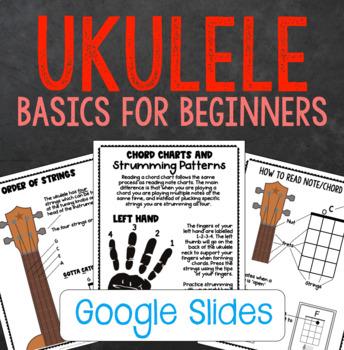
Looking to teach beginner ukulele to your music students? It’s a great way for them to learn some practical application of music theory. If you’re not sure where to start, check out my Ukulele Beginner Basics Music Program.

This printable (and distance learning friendly) music resource is the perfect, no-prep beginner guide for your students and includes:

  • Basic theory student pages
  • Anatomy of the ukulele 
  • How to hold the ukulele
  • Order of the strings
  • How to read tab, notes, chord charts, and strum patterns
  • Sheet music warmup pages
Teach beginner ukulele - Basics for beginners package


For a sneak peek, see the following tips and resources that will help kick-start teaching beginner ukulele in your music classroom.

1. Ukulele Class Rules and Expectations


Before you can start teaching beginner ukulele to your music students, it is important to first establish clear expectations and routines to set your students up for success.

Here are some things to think about that will help prepare your students:

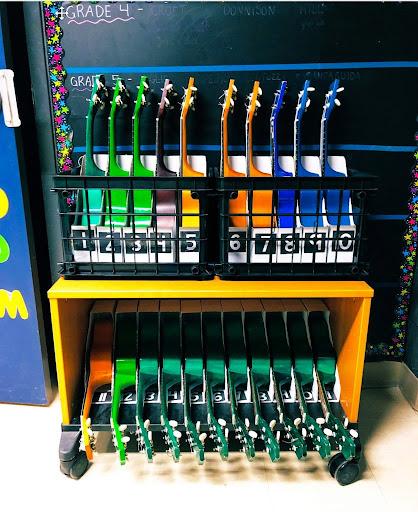
  • Who will tune the ukuleles?
  • Will students be assigned a numbered ukulele?
  • What does setup or cleanup look like?
  • What do your students do when they enter or exit the music room?
Organize ukuleles in classroom - Teach beginner ukulele

Teaching these routines will serve as a strong foundation in helping your ukulele class run much more smoothly. Read a more thorough breakdown of setting expectations in the music classroom here.

2. Teaching Ukulele Basics


Want a quick way to assess students’ understanding of the parts of the ukulele? 


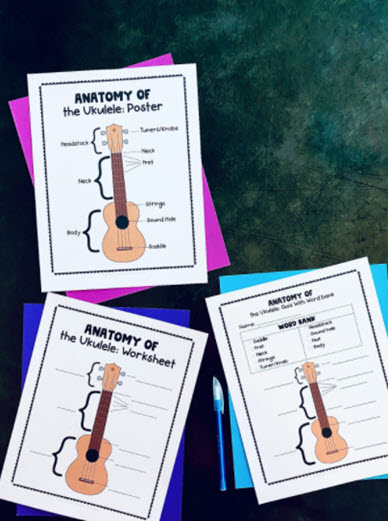
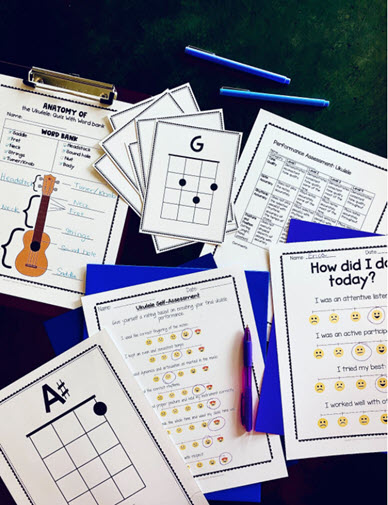
Check out this Ukulele Anatomy Music Worksheet and Quiz.


This is a great printable and distance learning music resource that helps to teach the anatomy of the ukulele, including how to properly hold and care for the instrument.
Ukulele anatomy - Teach beginner ukulele

3. Teach Plucking or Strumming

 
You may choose to have your students learn how to pluck a melody on the ukulele, how to strum, or both! Regardless of what you choose, you can incorporate a warmup on the open strings or with 1-2 changing chords to start.
 
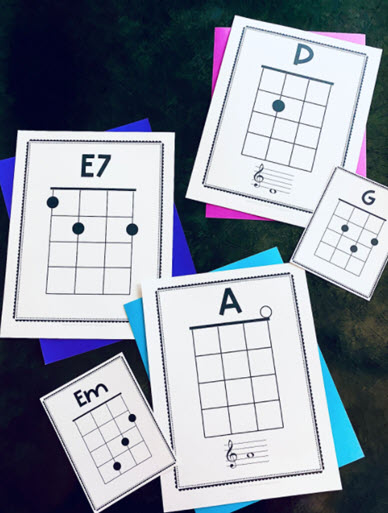
Check out these resources that come with printable pages that will help your music students review the correct hand positions at a glance:
 
Teach beginner ukulele - tabs for plucking and strumming

4. Teach Theory Fundamentals Through Playing​


As your music students learn how to play the ukulele, you can also intertwine theory concepts such as rhythm and duration, time signature, dynamics, and articulation. 

5. Provide opportunities to play and have fun

 
Once you have set up the foundations of your class, give your students plenty of opportunities to practice and play their ukulele (this is the part that is the most fun!). 


Whether it is through whole class instruction, practicing in partners, or performing in small groups, these opportunities will allow your students to fully immerse themselves in learning, while having some fun along the way!

Teach beginner ukulele - An image of different ukulele music activities

6. Beginner Ukulele Bundle​


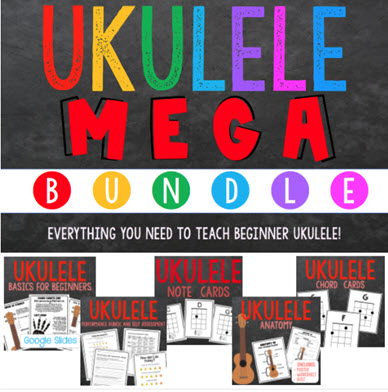
If you found the above tips and resources helpful, check out this Ukulele Mega Bundle for the Music Classroom, where you can get all the resources mentioned at a 20% discount. This bundle includes:

  • Ukulele Beginner Basics Music Program
  • Ukulele Anatomy Worksheet and Student Assessment
  • Ukulele Performance Rubric and Student Self-Assessments
  • Ukulele Chord Posters
  • Ukulele Note Posters
Teach beginner ukulele - An image of the Ukulele Mega Bundle resource

For more music teaching ideas and activities like these, make sure you are following me @teachfromthestage on Instagram!

Picture of Alessandra

Alessandra

My name is Alessandra and I am a Kindergarten-Grade 8 Teacher of the Arts, specializing in music and dance education. Based in Toronto, Canada, I teach 800+ students a week and am a huge advocate for the arts. I graduated with a Bachelors of Music Therapy & Masters of Education, and I am passionate about fostering a quality music education program for every learner.